Rotary Paeroa Prepares to Support the Community in an Emergency
Rotary Paeroa is looking at how it can play a practical role in supporting the local community before, during and after an emergency.
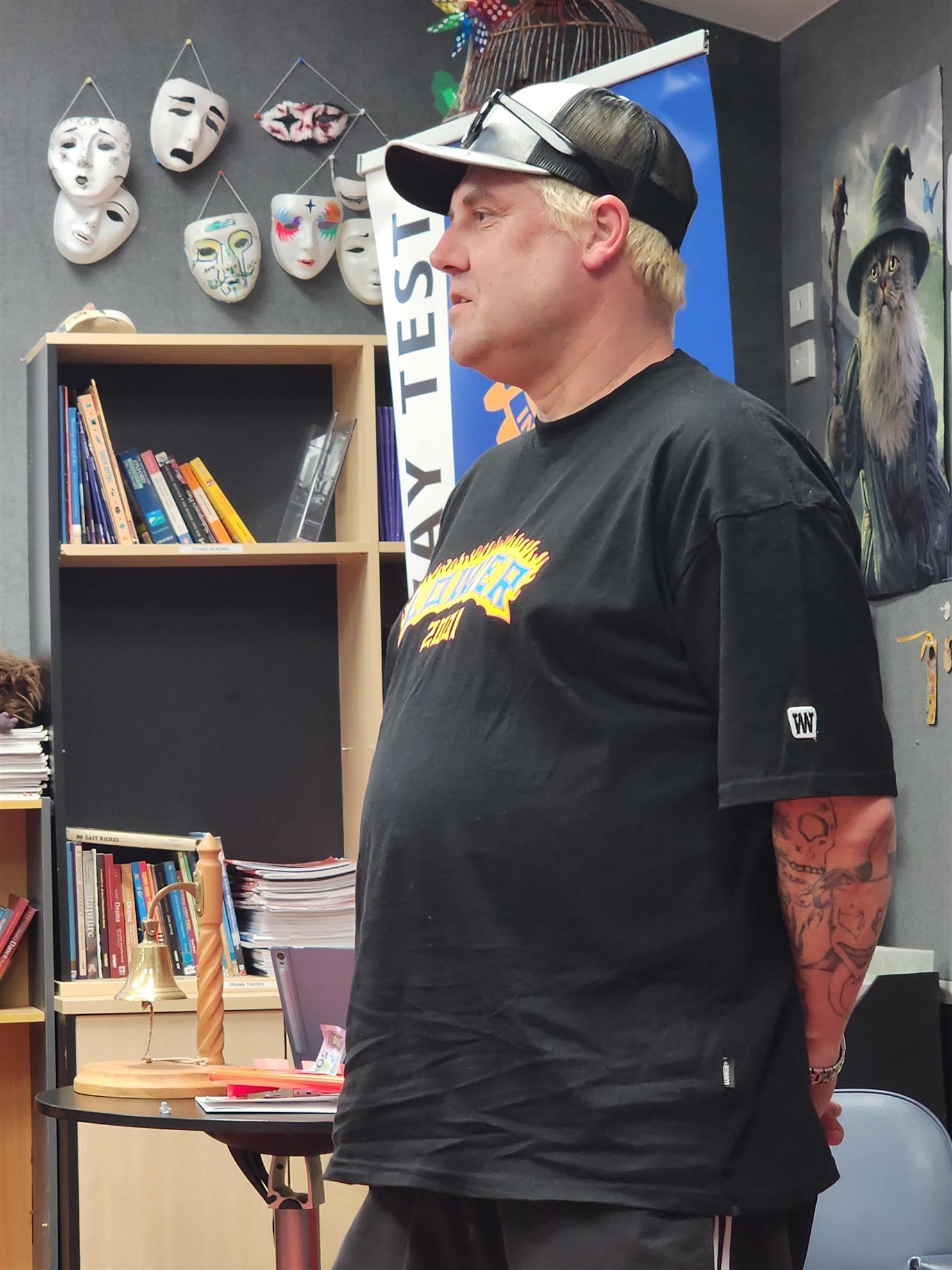
Club members were given a briefing by Brett Otto on Civil Defence Emergency Management (CDEM), outlining how Rotary can work alongside Hauraki District and Waikato emergency-management partners when events such as flooding, severe storms, earthquakes, or other emergencies affect the region.
The presentation explained that New Zealand’s emergency-management system operates across national, regional, and local levels. While official agencies lead emergency responses, community organisations such as Rotary can provide valuable support through their local knowledge, established relationships and willingness to help.
Rotary’s potential contribution extends across the four Rs of emergency management: reduction, readiness, response, and recovery. This includes identifying local risks, preparing households and club members, providing practical assistance when requested, and helping communities reconnect and recover after an event.
For Hauraki, the risks highlighted included severe weather, flooding across the Hauraki Plains, earthquakes, landslides, drought, and tsunami threats along the coast. The message was clear: preparation needs to begin well before an emergency occurs.
If requested by Hauraki CDEM or another lead agency, Rotary members could assist with tasks such as welcoming people at Civil Defence Centres, organising refreshments and essential supplies, coordinating approved transport and deliveries, sharing verified official information, checking on vulnerable people, and supporting recovery efforts.
However, the briefing also emphasised the importance of understanding Rotary’s limits. Members must not independently deploy themselves to an emergency or undertake dangerous activities such as search and rescue, firefighting, entering floodwater or damaged buildings, or providing medical care beyond their training. All assistance must be properly coordinated, with members’ personal safety coming first.
To build its capability, Rotary Paeroa can develop a simple club emergency plan, nominate a primary coordinator and deputy, maintain a register of members’ skills and available resources, and establish clear communication arrangements with CDEM partners. Short practice exercises would help ensure everyone understands how to respond if called upon.
Household preparedness is equally important. Members are encouraged to have an emergency plan and kit, understand evacuation routes, and stay informed through official Civil Defence channels and local radio.
The central message was that Rotary can be a valuable community asset in an emergency, but only when it is prepared, connected and clear about its role.
As the presentation concluded, the guiding principle was simple: CDEM leads, Rotary supports. By preparing now and building strong local connections, Rotary Paeroa can be better positioned to help its community when help is needed most.